This crash was a long time coming. I mean, if you look at this chart, what do you see?
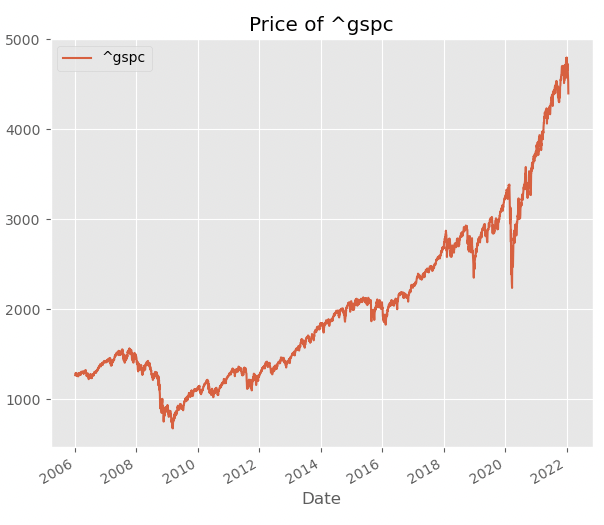
Exactly. I see hyperinflated and unsustainable growth. S&P went from $800 in 2009 to the $4700 it was as of a month ago. That’s almost a 6x increase. For an index.
The flash crash of March 2020 was…actually nothing. It was barely a correction - yes, it rebounded faster than it fell. In previous market crashes, the market takes around 2/3 years to recover to ATH.
Within a span of two years, S&P rose from $2700 to $4700 - close to 80% increase. Classic late bull cycle indication.
Sometime, somehow, we all know this party is going to stop. It was just a question of when. The cheap money from Covid managed to sustain this beast for two years longer, but that too, had to end.
2001 - 2012 in retrospect
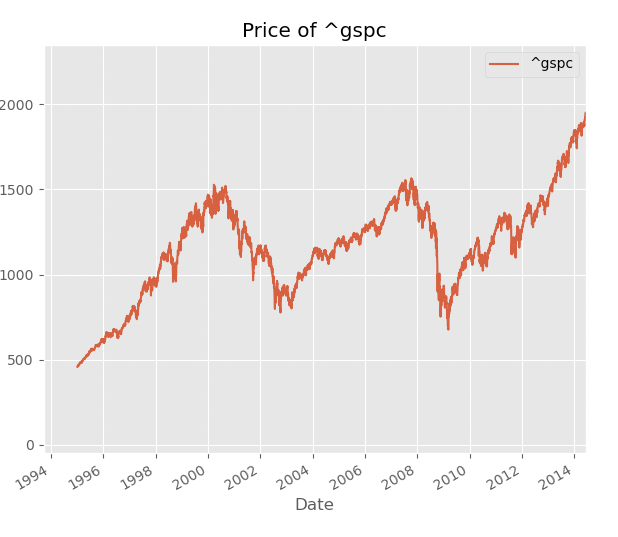
In 2000 June, the Dot Com bubble is beginning to pop. S&P fell from $1500 in June 2000 to merely $750 by Jan 2003 - a 50% decrease. In this crash, it took 2.5 years for the market to bottom out.
The crash of 2008 was equally disastrous - just when markets tipped over the psychological barrier of $1500, it plunged to around $700 within a span of a year. Similarly, it was a 60% drop from ATH, whereas the bottoming out process took just a year. It took the markets 4 years - Jan 2013 - to reach pre-crash levels.
Prediction of what might happen
Somehow, I feel that this time it’ll be a somewhat long and drawn out bottoming out process, where companies will be tested and many players in the market would fade. This is similar to the dot com era bottoming out, where the market took 2 years to bottom out.
However, there are great grounds to believe that markets nowadays are much more nimble than that of 20 years ago. We live in the era of high frequency trading and instant liquidity manoeuvres. So in terms of probability (based purely on intuition lol), there’s a 60% chance that the market might bottom out between 4-6 months.
But of course, bear markets are a vicious circle. A credit crunch and lack of investor confidence means that companies might have a shorter run way before money runs flat, by which time, it will mean retrenchment and downsizing. Only at that point, would the pinch be felt as consumers tighten their belts, causing another fall in demand.
It all starts from earnings reports. Right now, we’re already seeing a downward trend in earnings reports as people start tightening their belts. The markets are forward looking in the sense that they’re responding to that. Within this back and forth process, which might take some time to recover as productivity dampens, markets will respond with sluggishness.
Below, I paint a hypothethetical scenario - the fast bottoming out.
Scenario 1
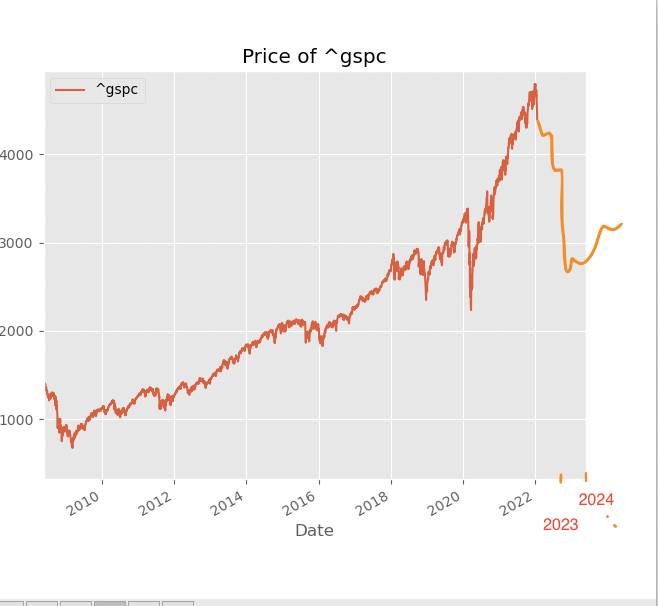
At the very least, I foresee that a real crisis - assuming that the sharp fall this time is a sign of a ‘real’ one instead of a transitory one - will wipe away at least all of the covid gains. Coming from an ATH of $4800, it is likely - 70% chance - that markets would fall to (0.5*4800=) $2400. One thing I learned is to not underestimate the volatility of markets. They could climb as fast as they can free fall.
The fast bottoming out scenario paints a picture where the market sharply bottoms out within the next 6 months, before going into cautious recovery.
Within this scenario, the best time to buy in (to any stock) would be somewhere around 6months. To be safe, I’ll perhaps do a DCA at the 6mo, 9mo, and 11mo mark.
Scenario 2: Prolonged recession
The second scenario takes the flavor of the dot com bust. After the dot com bust, it was just hard for markets to pick back up. Whenever there were signs of recovery (every 4 months or so, where there would be a rally of 15%), markets would capitulate or a while before dipping even lower.
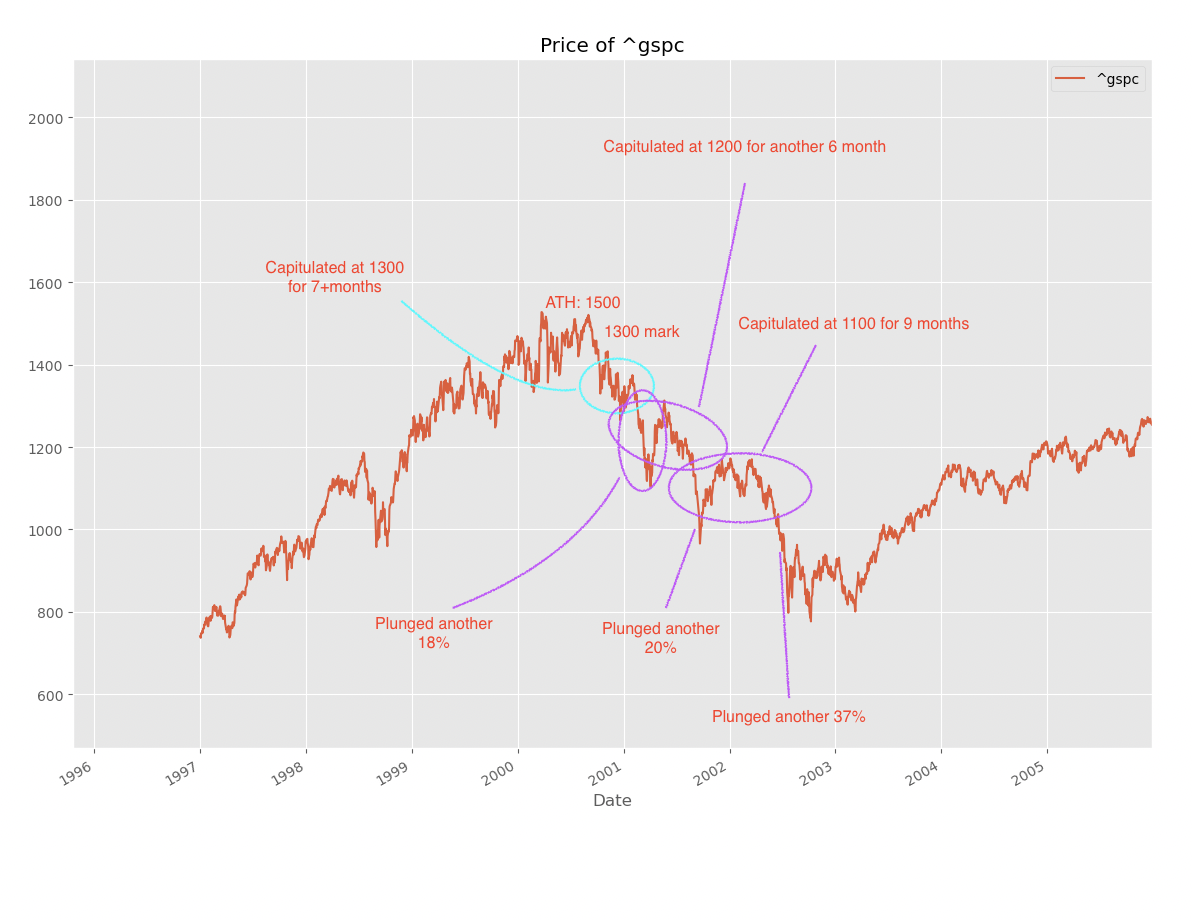
As can be seen above, there were three periods of capitulation. Markets would dip, become oversold, rebound for a short period of capitulation, before experiencing further dips and further rebounds.
In the case of dot com bust, it took three cycles of extreme dip and 6month long capitulations for the market to eventually bottom out. The best time to have bought here, would have been the third dip, 2 years after the initial dip from ATH.
This is an important lesson on the behavior of markets to keep in mind.
Let’s compare this to the case of 2008.
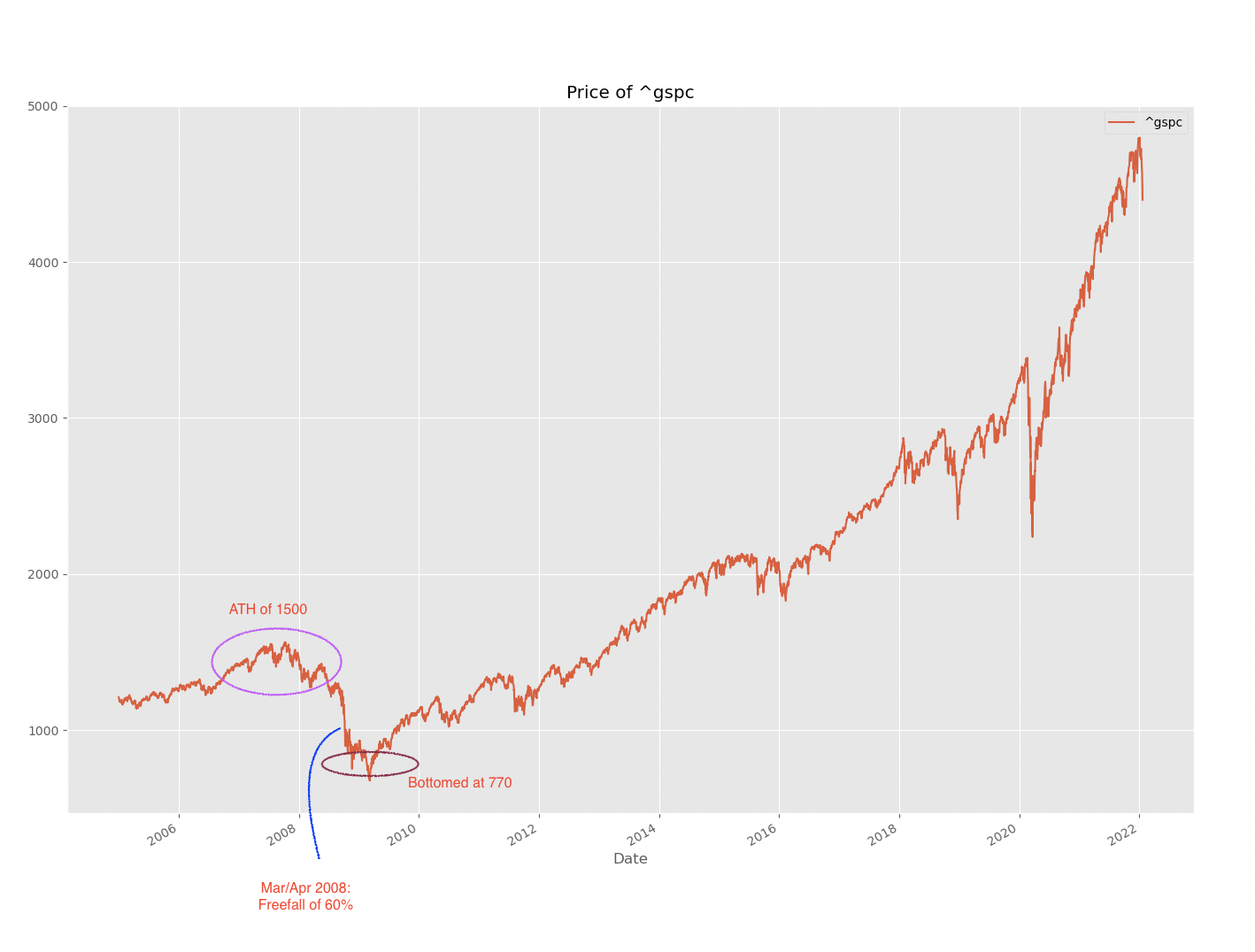
In a lot of ways, 2008 was way more violent. Within a span of 2/3 months, markets fell by 60%. This was, in a classic sense, a meltdown. There was technically one major dip at the start of 2008, before a short term rebound, followed by a massive dip in Mar/Apr 2008. If markets fell by 60%, you can almost be sure it’s the bottom.
Back to the present
Now, the million dollar question is: how long would it take for markets to bottom out in this recession?
Now, perhaps instead of looking at it from the perspective of timing the bottom, we could perhaps look at it from the perpsective of the severity of each dip.
A 15% dip from the last point of capitulation is, although a significant one, unlikely to be indicative of market bottom, especially if it’s the first dip.
Even if there were to be short term rebounds, you can be sure it is just a sign of capitulation.
(I realized I am using the term capitulation wrong here - formally, it means ’to surrender and sell’ to cut losses when there is market uncertainty, but I’ve used it to mean market deliberation. Of course, periods of deliberation also coincide with periods of capitulation, so I am not too wrong, but it’s important to know that real capitulation occurs when panic selling happens - i.e. in plunges instead of uncertainty. )
The second or third dip that happens anywhere between 6 months to a year is usually a good bet on it being bottom, or at least very close to the bottom.
Remember - the ‘price floor’ is reached when it really doesn’t make sense for anyone to ‘cut losses’ anymore, and instead, decide that there’s nothing to be done but hold. And that could only happen when all the previous ‘gains’ are wiped out + a little bit more such that it doesn’t justify the opportunity cost of holding for x period.
Which is why, to hedge risks from the POV of an individual investor, what you’re really looking for is for at least 2 dips followed by periods of short term rally and capitulation, where the combined effect of both dips is a 40% or more fall from ATH.
At least that’s the trends that I am willing to bet on, for now. Let’s see how 2022 will turn out.